
Enhance Skills with VR Training Applications
- sahand04
- Jan 21
- 5 min read
Virtual reality (VR) is no longer just a futuristic concept or a gaming novelty. It has become a powerful tool for skill development and training across various industries. I’ve seen firsthand how VR training applications can transform the way companies teach, learn, and improve performance. If you want to boost your team’s skills efficiently and safely, VR might be the solution you’ve been looking for.
Let’s explore how VR training applications work, why they are so effective, and how you can implement them to enhance your workforce’s capabilities.
What Are VR Training Applications?
VR training applications are immersive programs that simulate real-world environments and scenarios using virtual reality technology. Instead of reading manuals or watching videos, learners step into a 3D virtual space where they can interact with objects, practice tasks, and experience situations as if they were actually there.
For example, a manufacturing company can create a VR simulation of a factory floor where employees learn to operate machinery without any risk of injury or damage. Similarly, healthcare professionals can practice procedures in a virtual operating room, gaining confidence before working on real patients.
The key benefits of VR training applications include:
Safe learning environment: Mistakes don’t have real-world consequences.
Hands-on experience: Learners actively engage with tasks.
Repeatability: Scenarios can be repeated until mastery is achieved.
Cost-effectiveness: Reduces the need for physical materials and travel.
Instant feedback: Trainees receive real-time guidance and corrections.
These advantages make VR training applications a game-changer for companies aiming to improve operational efficiency and safety.
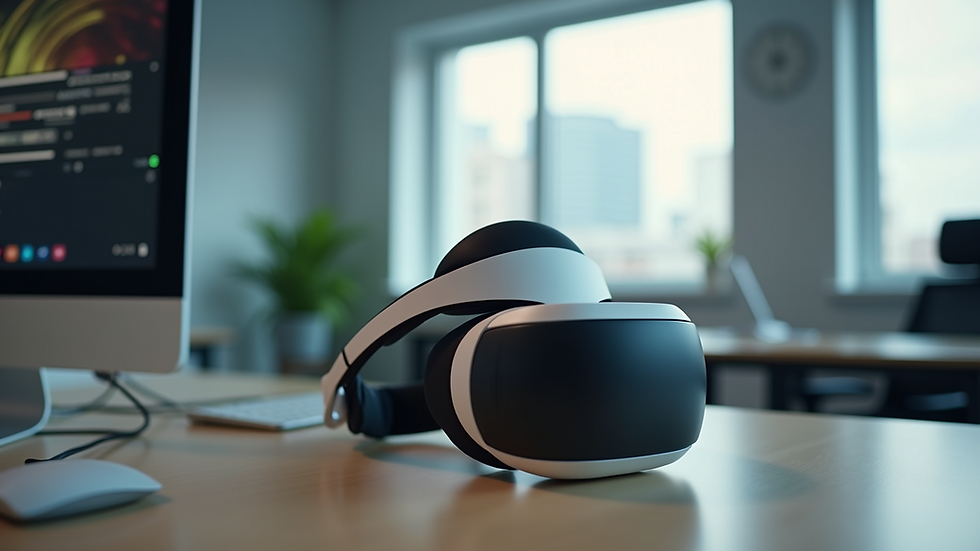
How VR Training Applications Improve Skill Development
One of the biggest challenges in traditional training is bridging the gap between theory and practice. Reading about a process or watching a demonstration is helpful, but it doesn’t always prepare someone for the complexities of real-life situations. VR training applications solve this problem by immersing learners in realistic scenarios where they can apply knowledge actively. And thanks to our imitera CORE, we can do that cost effectively
Here’s how VR training applications enhance skill development:
Engagement and Focus
VR captures attention like no other medium. When learners are fully immersed, distractions fade away. This heightened focus leads to better retention and understanding.
Muscle Memory and Coordination
Many skills require physical practice. VR allows users to perform tasks repeatedly, building muscle memory and improving coordination without the risks associated with real equipment.
Scenario Variety and Complexity
Trainers can design multiple scenarios with varying difficulty levels. This prepares learners for a wide range of situations, including rare or dangerous events that are hard to replicate in real life.
Personalized Learning Paths
VR systems can track progress and adapt training to individual needs. This ensures that each learner gets the right level of challenge and support.
Collaboration and Communication
Some VR training applications enable multiple users to interact in the same virtual space. This fosters teamwork and communication skills, essential for many industries.
By combining these elements, VR training applications create a rich learning experience that accelerates skill acquisition and boosts confidence.
Practical Examples of VR Training Applications
To understand the impact of VR training applications, let’s look at some real-world examples across different sectors:
Construction and Engineering
Workers can practice operating heavy machinery or navigating construction sites virtually. This reduces accidents and improves efficiency on actual projects.
Healthcare
Medical students and professionals use VR to simulate surgeries, emergency response, and patient care. This hands-on practice enhances precision and decision-making.
Aviation
Pilots train in VR flight simulators that replicate cockpit controls and flight conditions. This prepares them for emergencies and complex maneuvers without risk.
Retail and Customer Service
Employees can role-play customer interactions and store layouts, improving service quality and problem-solving skills.
Manufacturing
VR helps workers learn assembly lines, quality control, and maintenance procedures, reducing downtime and errors.
These examples show how versatile and effective VR training applications are. They allow companies to tailor training to their specific needs and challenges.

How to Implement VR Training Applications in Your Company
If you’re considering adopting VR training applications, you can always contact us meanwhile here are some practical steps to get started:
Identify Training Needs
Analyze which skills or processes would benefit most from immersive training. Focus on areas where hands-on practice is critical or where mistakes are costly.
Choose the Right VR Platform
Select hardware and software that fit your budget, technical capabilities, and training goals. Consider factors like ease of use, scalability, and content customization.
Develop or Source Content
You can create custom VR scenarios tailored to your company or use existing training modules. Partnering with experienced VR developers ensures high-quality, relevant content.
Pilot and Gather Feedback
Run a pilot program with a small group of employees. Collect feedback on usability, engagement, and learning outcomes to refine the training.
Train the Trainers
Ensure your instructors understand how to use VR tools effectively and can support learners during sessions.
Integrate with Existing Training
Combine VR with traditional methods for a blended approach. Use VR for practice and simulations, and complement it with theory and discussion.
Measure Impact
Track performance improvements, error rates, and employee confidence before and after VR training. Use this data to justify investment and guide future updates.
By following these steps, you can smoothly integrate VR training applications into your company’s learning strategy and reap the benefits.
The Future of Skill Enhancement with VR
The potential of VR training applications is only growing. Advances in technology are making VR more accessible, affordable, and realistic. Artificial intelligence and machine learning are being integrated to create smarter, adaptive training experiences.
Imagine a future where your team can:
Train anytime, anywhere with portable standalone VR setups.
Experience hyper-realistic simulations that mimic every detail of their work environment.
Receive personalized coaching from AI-driven virtual instructors.
Collaborate with colleagues worldwide in shared virtual spaces.
This future is within reach, and companies that embrace VR training solutions today will gain a competitive edge in skill development, safety, and operational excellence.
If you want to explore how immersive technology can transform your training programs, consider partnering with experts who specialize in vr training solutions. They can help you design and implement experiences that make complex ideas tangible and actionable.
Taking the Next Step Toward Immersive Training
VR training applications are more than just a trend - they are a proven way to enhance skills, improve safety, and boost performance. By immersing learners in realistic, interactive environments, VR bridges the gap between knowledge and action.
If you’re ready to elevate your training programs, start by exploring the possibilities of VR. Whether you’re in manufacturing, healthcare, aviation, or any other industry, immersive training can help your team learn faster, retain more, and perform better.
Remember, the future of training is here. It’s time to step into the virtual world and unlock your team’s full potential.


Comments